To Kill a Mockingbird: A Timeless Exploration of Justice and Humanity
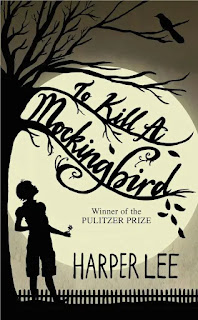
H arper Lee's acclaimed novel, "To Kill a Mockingbird," published in 1960, has captivated readers for decades with its poignant storytelling and powerful exploration of justice, racism, and the moral complexities of human nature. Set in the racially segregated American South of the 1930s, the book offers a compelling narrative that exposes the deep-rooted prejudices and injustices prevalent in society. Through the eyes of Scout Finch, a young girl navigating the complexities of childhood, Lee masterfully delves into themes of racial inequality, social injustice, and the loss of innocence. In this article, we will examine the enduring impact of "To Kill a Mockingbird" and its profound exploration of humanity's capacity for both goodness and cruelty. The Southern Setting And The Atmosphere Of Prejudice : "To Kill a Mockingbird" is set in the fictional town of Maycomb, Alabama, a microcosm of the deeply segregated American South. Lee expertly creates ...